
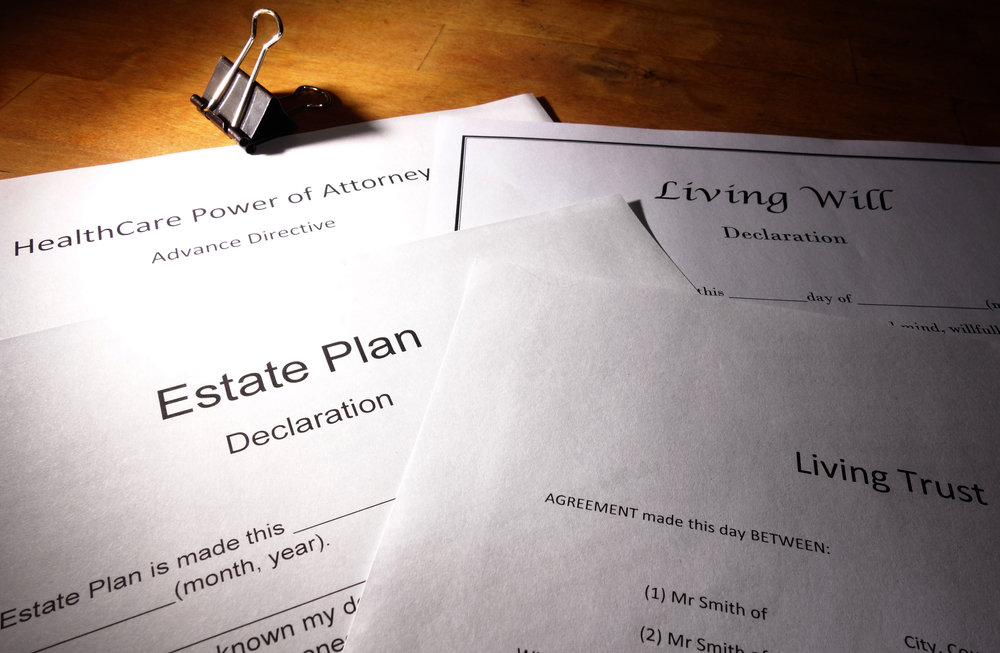
Estate planning is something many people put off, often because it feels like an issue for later in life. In reality, estate planning is less about age and more about making sure the people, assets and responsibilities that matter to you are properly looked after.
The best time to start planning your estate is generally once you begin accumulating assets, have people who depend on you, enter a long-term relationship, buy property, start a family or establish a business. From there, your estate plan should evolve as your life changes.
A well-considered estate plan can help provide clarity around your wishes, reduce uncertainty for your family and ensure the right arrangements are in place if you pass away or become unable to make decisions for yourself.
Here are seven important tips to consider.
- Don’t wait until retirement
Estate planning is not just for retirees or people with significant wealth. If you own a home, have superannuation, investments, insurance, savings, a business or personal possessions, you already have an estate.Younger families may have an even greater need for planning, particularly where children, mortgages and financial dependants are involved. - Start with your Will
Your Will is one of the foundations of an estate plan. It provides instructions about how certain assets are to be distributed and allows you to nominate an executor to administer your estate.A professionally prepared Will can also address issues such as guardianship wishes for children and the establishment of appropriate structures for beneficiaries. - Understand that not everything is controlled by your Will
One common misconception is that your Will automatically determines what happens to every asset you own.Superannuation, life insurance proceeds, jointly owned assets, trusts and companies may be dealt with differently depending on how they are structured and the arrangements you have put in place.This is one reason estate planning should involve more than simply writing a Will.
- Plan for incapacity as well as death
Estate planning should also consider what happens if you are alive but unable to manage your own affairs.Depending on your circumstances and jurisdiction, appropriate legal documents may allow trusted people to make financial, personal or health-related decisions on your behalf.Having these arrangements organised before they are needed can make an extremely difficult situation easier for your family.
- Review your beneficiaries
Consider who you want to benefit from your estate and whether any beneficiaries may require additional planning.Young children, people with disabilities, vulnerable beneficiaries, blended families and beneficiaries experiencing financial difficulties may all require careful consideration.The objective is not simply deciding who receives an inheritance, but how and when they receive it.
- Review your plan when life changes
Estate planning should never be treated as a one-off exercise.Marriage, separation, divorce, children, grandchildren, property purchases, business changes, retirement and the death of a beneficiary or executor can all affect your existing arrangements.Even without a major life event, periodically reviewing your estate plan with your professional advisers can help ensure it continues to reflect your circumstances and intentions.
- Get professional advice
Perhaps the most important estate planning step is recognising when specialist advice is needed.Estate planning can involve legal, taxation, superannuation, investment, insurance and business considerations. Your solicitor, financial adviser and accountant may each have an important role to play.Trying to manage everything yourself can result in unintended consequences, particularly where ownership structures, superannuation, trusts or complex family arrangements are involved.
What happens next?
Estate planning usually begins with a conversation. Take stock of your assets and liabilities, think about the people you want to provide for and consider who you would trust to make decisions or administer your estate.
From there, seek appropriate professional advice and put the necessary documents and strategies in place.
The goal of estate planning is not simply to decide what happens when you die. It is about creating certainty while you are alive, protecting the people important to you and ensuring your wishes have the best possible chance of being carried out.
Starting the conversation today can be one of the most valuable things you do for the people you care about.
If this article has inspired you to think about your unique situation and, more importantly, what you and your family are going through right now, please get in touch with your advice professional.
This information does not consider any person’s objectives, financial situation, or needs. Before making a decision, you should consider whether it is appropriate in light of your particular objectives, financial situation, or needs.
(Feedsy Exclusive)